

WAN ACELLuo Nations Knowledge Portals
Many Luo Nations. Shared Futures.
Our People • Our Land • Our Knowledge • Our Future
 Heritage & IdentityHistory, land and oral traditions in each community’s words.
 Customs & PracticesCeremonies, leadership and ethics, recorded only with consent.
 Documents & TemplatesBylaws, meeting minutes, event plans and family records.
 Livelihoods & AgricultureFarming, cooperatives, value addition and getting to market.
 Youth & AI LabSkills, innovation, careers and digital learning for youth.
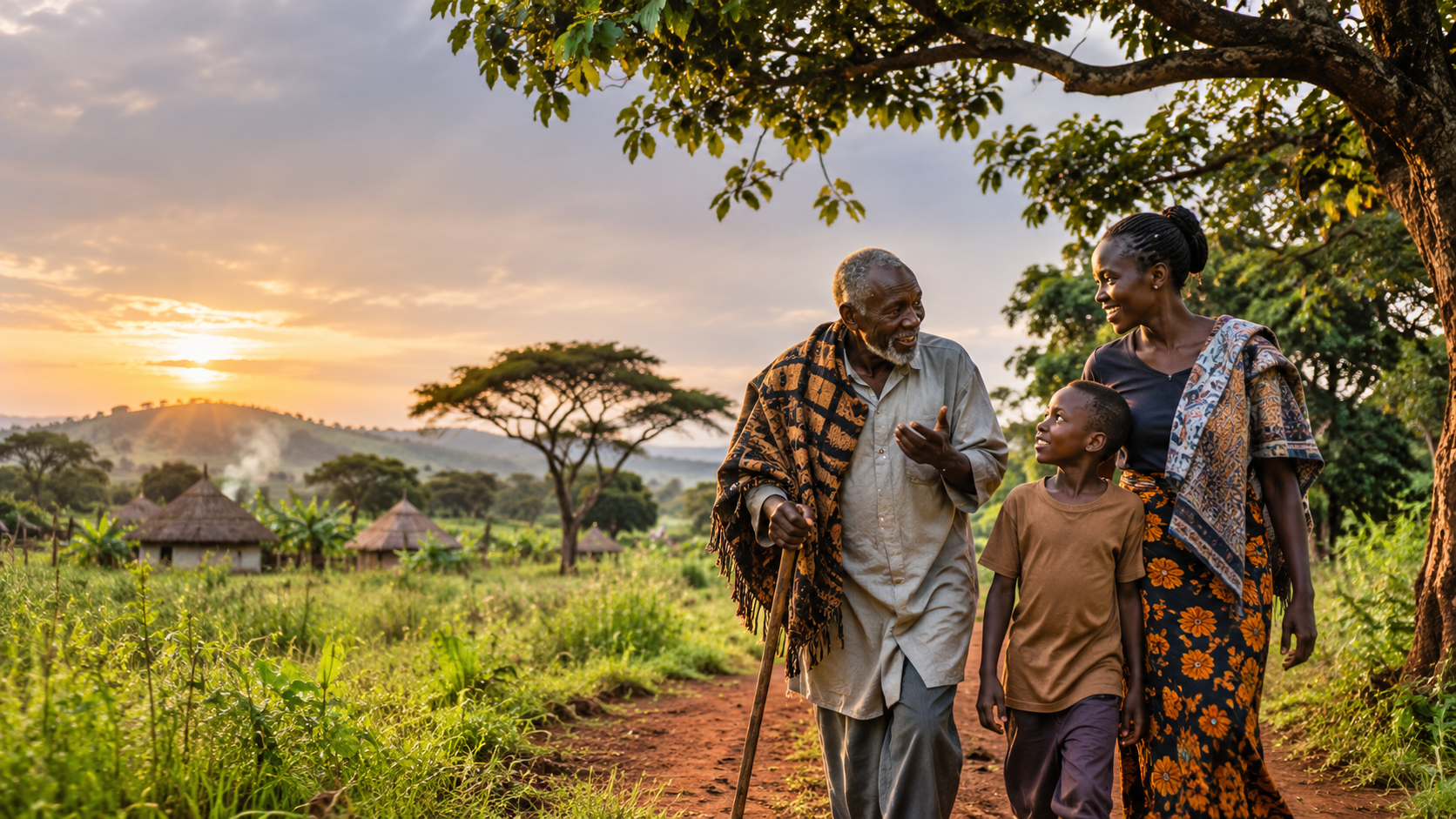 Diaspora HubCommunity support, children’s language and family welfare.
What do you want to do?
Documents, plans, lessons and guides for your Luo Nation and where you live.
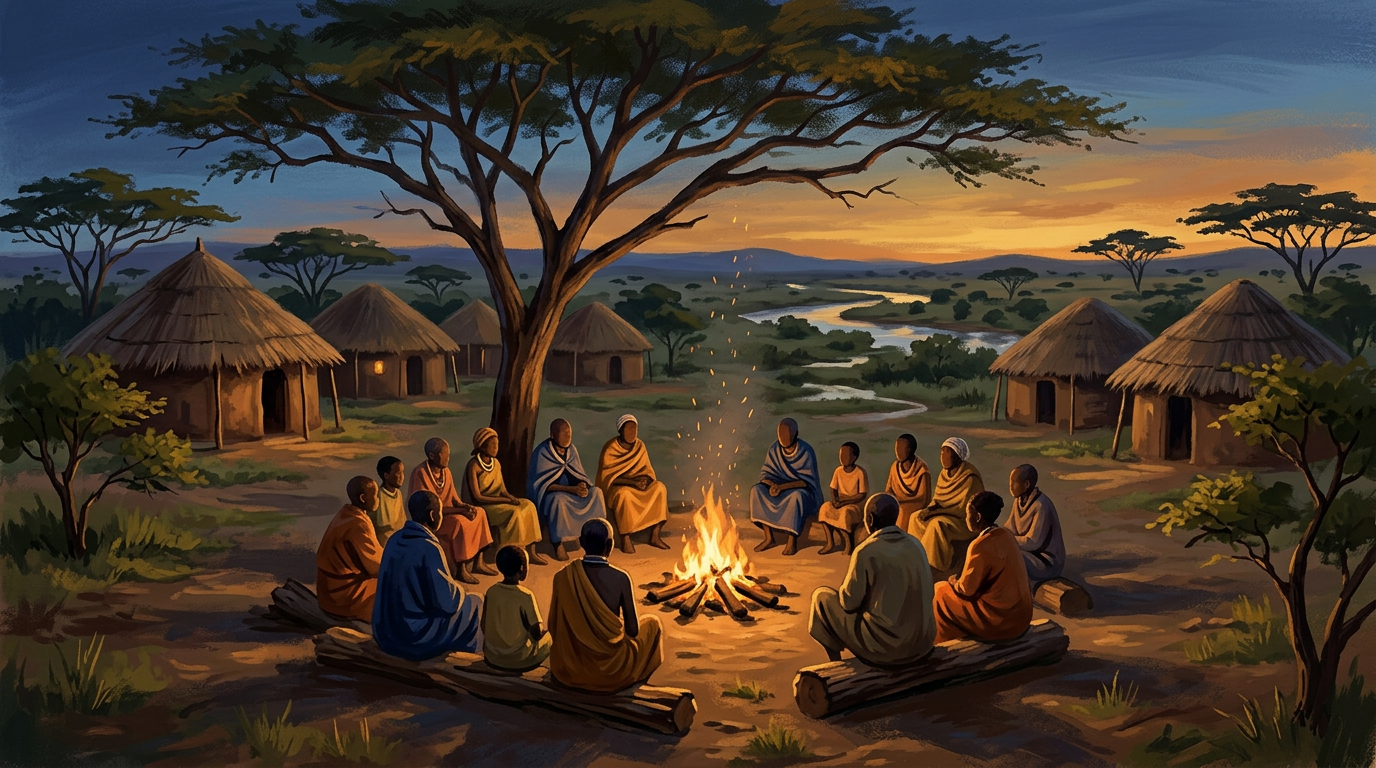
Shared by every Luo Nation
Elders Knowledge Circle
Proverbs, teachings and stories from elders across the Luo Nations, with their meanings and sources.
More proverbs by themeAdong med i kom can
“A slap adds to suffering”
Proposal · Not yet approved
Karama Pa Luo: a proposed festival for all Luo Nations
A proposed annual festival of forgiveness, reconciliation, remembrance, renewal and peace for every Luo Nation. No Luo Nation has approved it yet. Read it, vote, comment and take it to your community.
Our People
Know your people: the Luo / Lwoo Nations
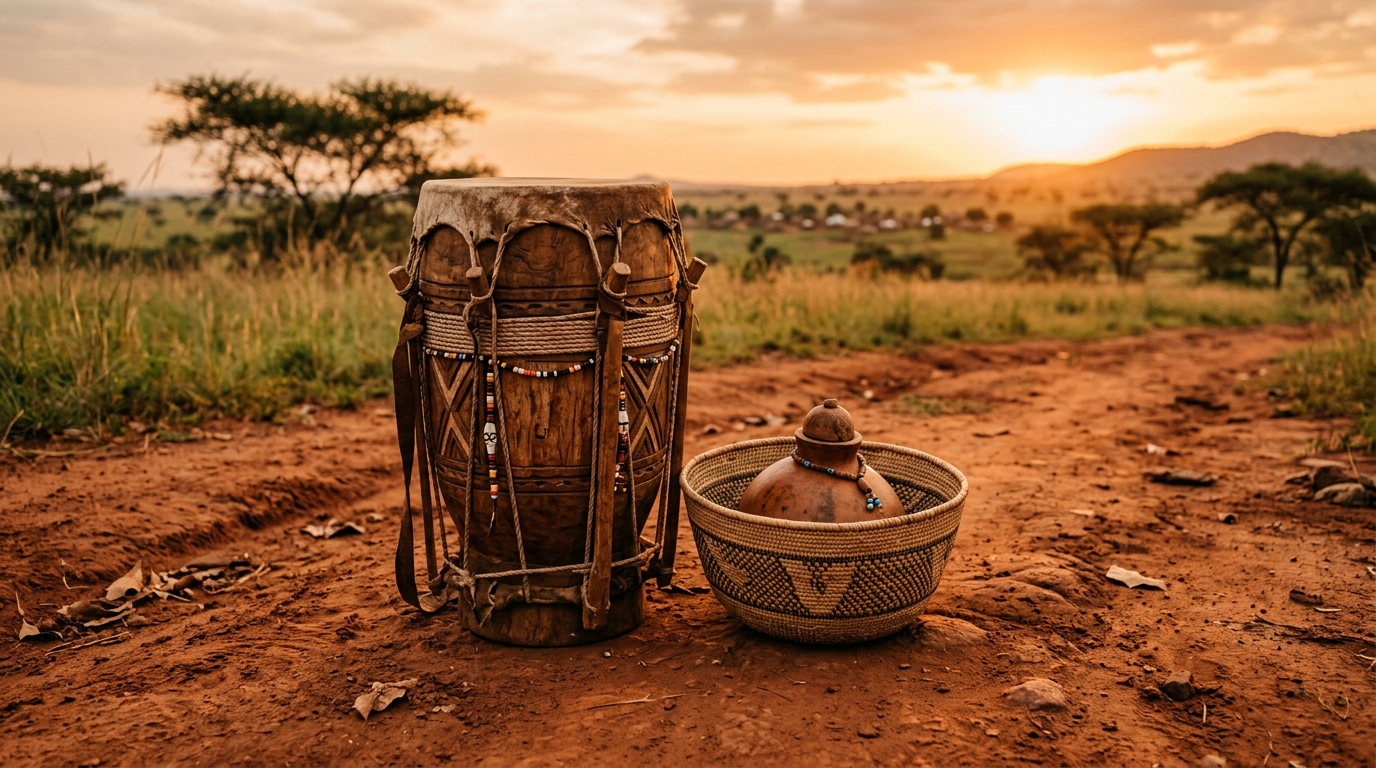
Acholi
Southern LwooBwola drum
Acholi history is best reconstructed through the histories of specific chiefdoms, clans, lineages, settlement patterns, oral genealogies and local intellectuals, not through a single national narrative.
- Language
- Acholi (Leb Acoli)
- Homelands
- Northern Uganda (Acholi sub-region) · Magwi County, Eastern Equatoria, South Sudan
- Diaspora
- Worldwide

Alur
Southern LwooAdungu arched harp
A borderland history rather than a simple single-origin story. Chiefly Lwoo lineages from the north joined, and ruled alongside, Lendu, Madi and other non-Luo groups, many of whom adopted the Alur (Luo) language.
- Language
- Alur
- Homelands
- West Nile, Uganda · Mahagi and Ituri, DR Congo
- Diaspora
- Worldwide
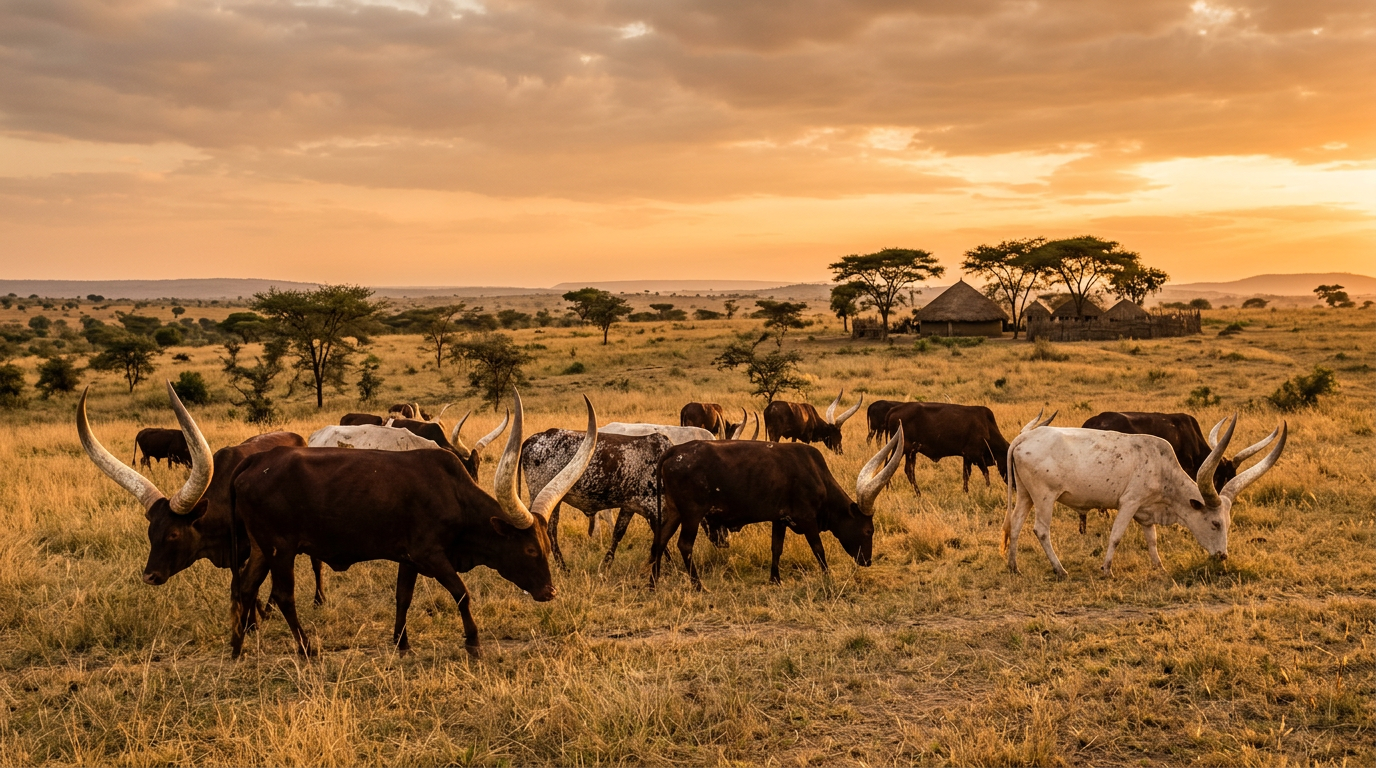
Lango
Southern LwooOx-horn crescent
A Luo-speaking people of north-central Uganda whose origins are debated: some scholars link the Lango to the Ateker peoples and see a Luo language adopted over time. Research also describes historically decentralised clan structures and how social change has affected women’s roles and rights.
- Language
- Lango (Leb Lango)
- Homeland
- North-central Uganda
- Diaspora
- Worldwide
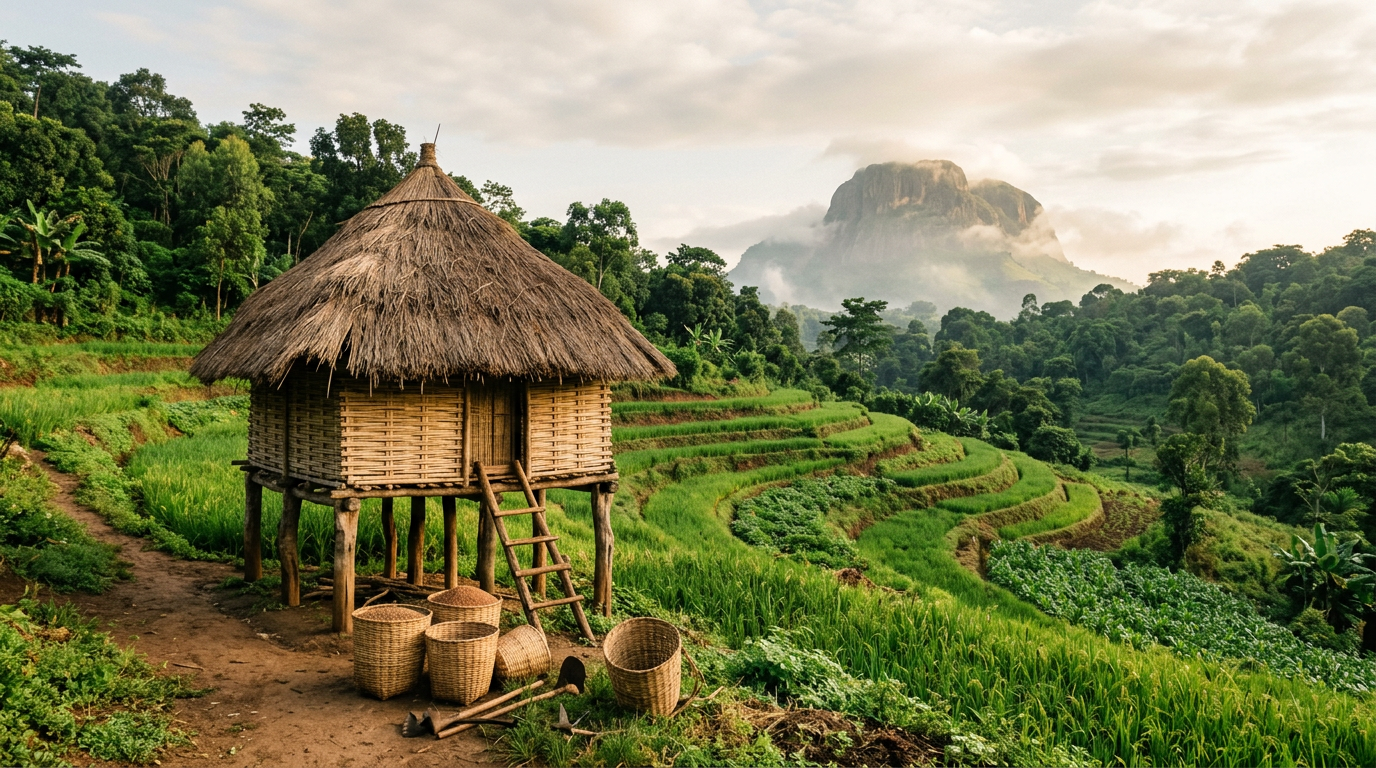
Jopadhola
Southern LwooRaised granary
A Southern Lwoo community with its own political history. Luo migrants from the north settled in Tororo and over time absorbed Bantu, Iteso and other neighbours into their clans, while keeping the Dhopadhola language.
- Language
- Dhopadhola
- Homeland
- Tororo and eastern Uganda
- Diaspora
- Worldwide

Kenyan Luo
Southern LwooNyatiti lyre
Migration into present-day western Kenya occurred through multiple movements and settlement histories. No single arrival date applies to every lineage.
- Language
- Dholuo
- Homeland
- Nyanza and the Lake Victoria region, western Kenya
- Diaspora
- Worldwide
Tanzanian Luo
Southern LwooOpen lattice (placeholder)
Dholuo-speaking Luo communities in northern Tanzania. This entry is a draft built from a small number of published sources and needs community review. Only places where Luo presence is confirmed are named; the Mara Region as a whole is not a Luo area.
- Language
- Dholuo
- Homeland
- Parts of Mara Region, northern Tanzania (exact districts to be confirmed)
- Diaspora
- Worldwide
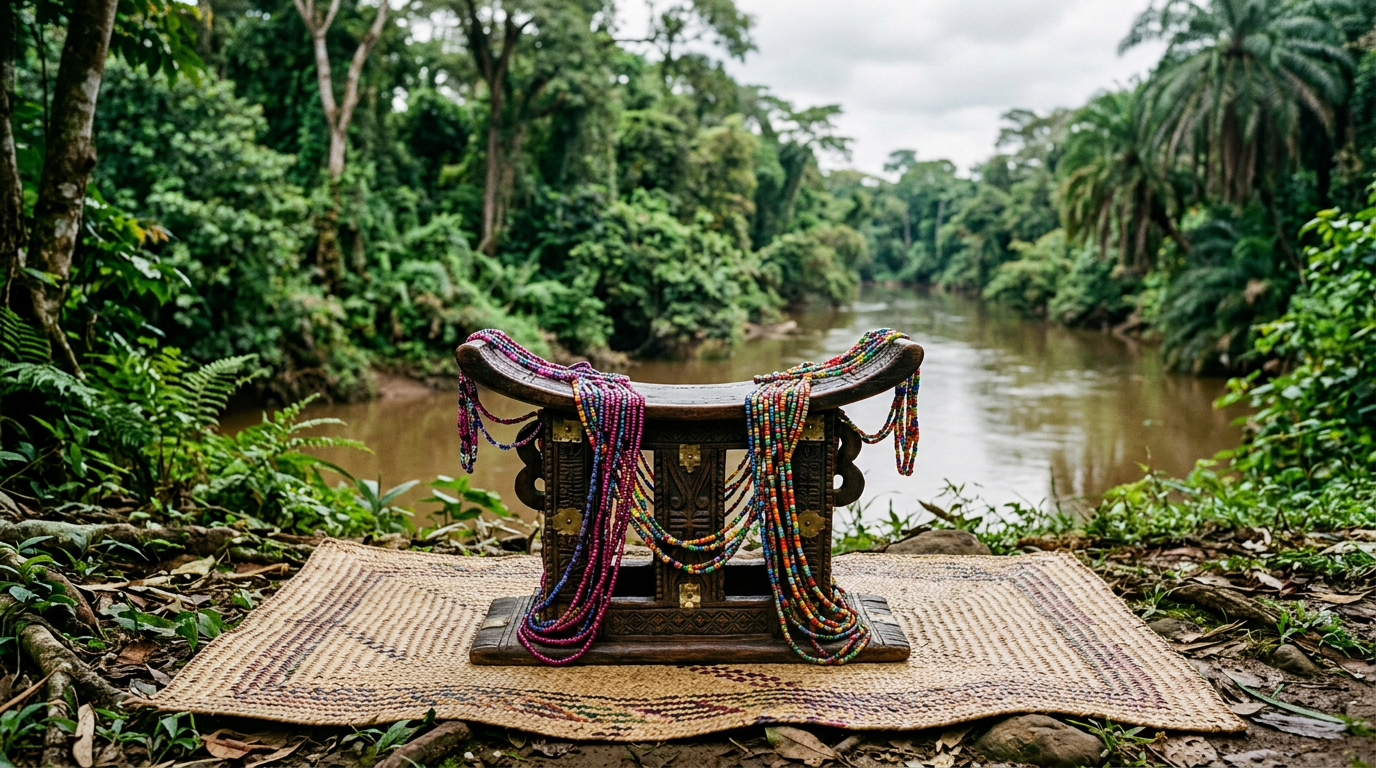
Anyuak
Northern LwooBeaded royal stool
A Northern Lwoo community and language across western Ethiopia and South Sudan. Contributors are asked which spelling and autonym their community prefers.
- Language
- Anyuak
- Homelands
- South Sudan · Western Ethiopia
- Diaspora
- Worldwide

Shilluk
Northern LwooRoyal spear and reed boat
A major comparative resource for Northern Lwoo political institutions. The Nyikang tradition is central to Shilluk accounts of kingship. Older ethnography is read alongside the living community’s interpretation.
- Language
- Shilluk (Dhøg Cøllø)
- Homeland
- Upper Nile, South Sudan
- Diaspora
- Worldwide
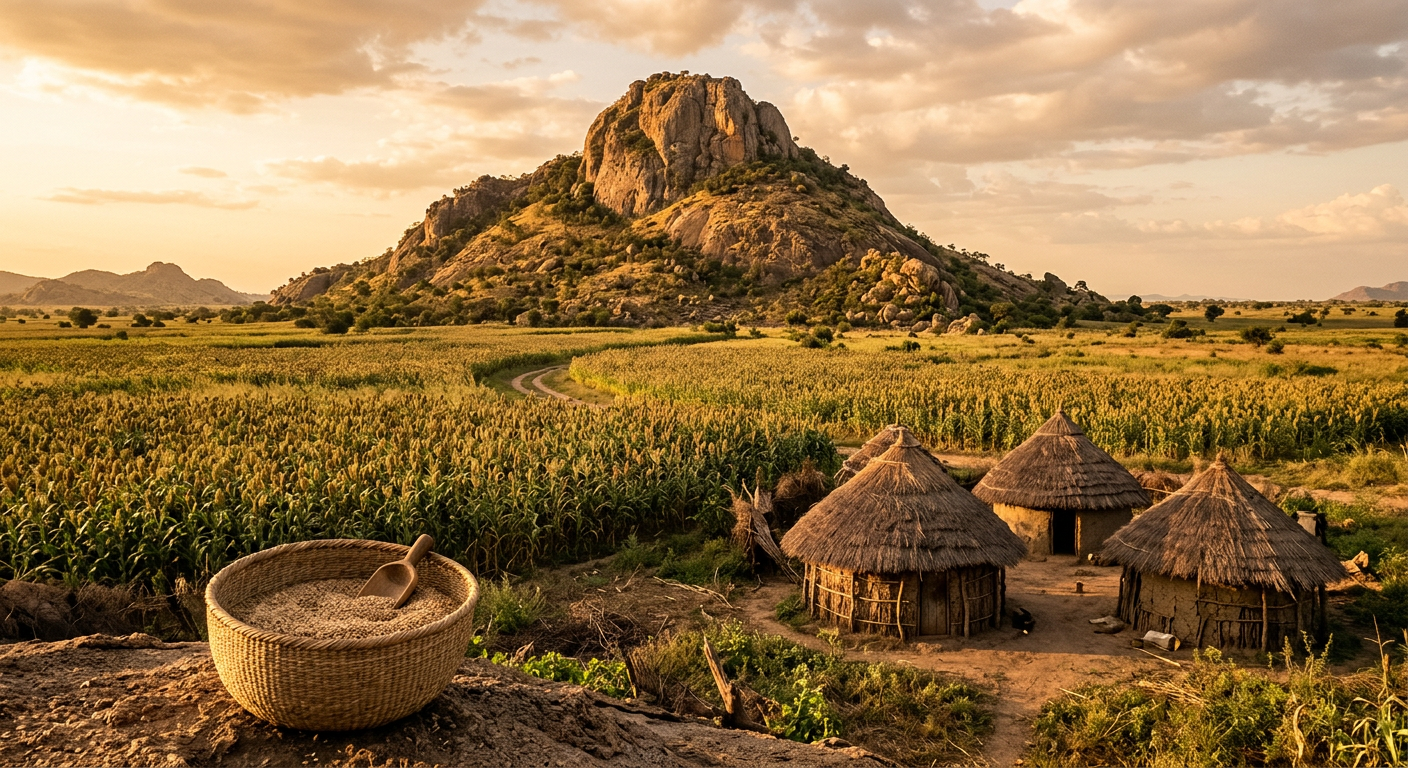
Päri (Lokoro)
Northern LwooHill and spear
A people of Lafon, South Sudan, whose language, Päri, is classified as Northern Lwoo. Secondary sources summarise an oral history of a movement from the Nile to Lipul Hill (Jebel Lafon). How Päri people describe their own relationship to the wider Luo family is for the community to state.
- Language
- Päri (Dhi-Päri)
- Homeland
- Lafon County, Eastern Equatoria, South Sudan
- Diaspora
- Worldwide
- Explore connected communitiesEvery Luo Nation here is Luo by language or oral history. Where origins are mixed or debated, each page says so and links its sources.
Browse by topic
- Oral historiesLife stories and testimony, recorded with consent
- LanguageWords, phrases, grammar and pronunciation
- Clan & lineageShared only as each community approves
- GovernanceChiefdoms, elders’ councils, mediation
- ReconciliationRestorative practices and their context
- FoodwaysMeals, ingredients and the people who teach them
- Music & danceSong, rhythm, instruments and gatherings
- Ecological knowledgeLand, river, season and plant knowledge
- Spirituality & worldviewDocumented carefully, never forced public
- Migration & historyMovements, settlement and change
- Contemporary life & diasporaLiving culture, here and abroad
- Browse everything
Featured knowledge keepers
No public profiles yet
The first interviews are being planned with community volunteers. If you are an elder or a family member and would like to take part, we would be honoured to hear from you.
Nominate a knowledge keeperFrom the Knowledge Library
- Archival document: Historical document, dictionary, manual, field notes or recording.Source
The Lango: A Nilotic Tribe of Uganda
Early documentation of village life, agriculture, food, trade, tools, music, dance, life events, political organisation, religion and language.
- Community
- Lango
- Creator
- Jack H. Driberg
- Date
- 1923
- Archival document: Historical document, dictionary, manual, field notes or recording.Source
Alur Tradition and its Historical Significance
Records a wide range of Alur traditions and makes explicit that the Alur are culturally and historically heterogeneous.
- Community
- Alur
- Creator
- A. W. Southall
- Date
- 1954
- Institutional source: Created by a religious, political, colonial, NGO or state institution. Read with its context in mind.Research
Thimlich Ohinga nomination dossier: Western Nilotic classification
Describes Western Nilotic as two branches (Dinka–Nuer and Luo–Burun), with Northern and Southern Lwoo distinguished within Luo–Burun.
- Community
- Kenyan Luo
- Creator
- UNESCO nomination dossier
- Date
- —
Research spotlight
Who is connected to whom?
What is known
Historical linguistics places Acholi, Lango, Alur, Adhola and Dholuo in Southern Lwoo, and Shilluk and Anyuak in Northern Lwoo, within Western Nilotic.
What is debated
How far colonial administration shaped a collective Acholi identity, and how migration chronologies fit individual clan histories.
What we still need to learn
Chiefdom-by-chiefdom oral histories, recorded and reviewed by the communities themselves, in their own words.